


About the Firm
Lewis grew out of a longstanding respect for Michigan's rich architectural history, a period when homes were built with durable, high quality materials, classical proportions, and lasting craftsmanship.
Our work builds upon this context through intentional architecture, restoration, renovation, and the preservation of old homes — as well as the design of new residences rooted in the classical tradition. We approach each project with an unwavering commitment to detail, and an extensive understanding of proportion, style, and materials.
By studying principles that have stood the test of time, and applying lessons carefully and thoughtfully, our role is simple: to contribute to continuity by designing homes that remain a part of history — homes that are timeless and contemporary.

The Lumber Boom
1860s - 1890s
From 1860 to 1890 the lumber trade transformed the state of Michigan, making it one of the nation’s most prolific producers of soft and hardwoods. In Bay City, dozens of mills lined the Saginaw River, running day and night as the city’s wealth, workforce, and transportation networks rapidly developed. At its peak, Bay City was a powerhouse of the American lumber trade and the industry’s prosperity laid the foundation for the manufacturing and architectural innovation that followed—including the rise of its famed kit-home companies in the early 20th century.

Early 1900s
Michigan
At the beginning of the 20th century, the American Midwest emerged as the epicenter for kit homes, driven by its powerful lumber industry and railcar connections. Companies such as Lewis Manufacturing, The Aladdin Company, and Sterling Homes pioneered the concept of pre-cut, mail-order houses, shipping everything from framing lumber to doors, windows, nails and blueprints directly to customers—often in just one or two boxcars. These firms became major national competitors to Sears and Montgomery Ward, ultimately selling more than 200,000 homes.

Bay City, Michigan
1880 - 1940
Despite being labeled as "kit homes," many houses of this period were built on a grand scale with high relief and ornamentation. Quality materials such as mahogany, oak, marble, limestone, onyx, slate, and terrazzo tile were used throughout construction, reflecting the quality of the period, executed by skilled artisans and master craftsmen. Common architectural types included; Tudor Revival, Georgian, Arts & Crafts, Romanesque, Queen Anne, Colonial Revival, Dutch Colonial, Spanish Revival, Stick & Shingle, Neoclassical, Craftsman, Bauhaus, and Italianate.
Lewis Heritage Homes
2024 - Present
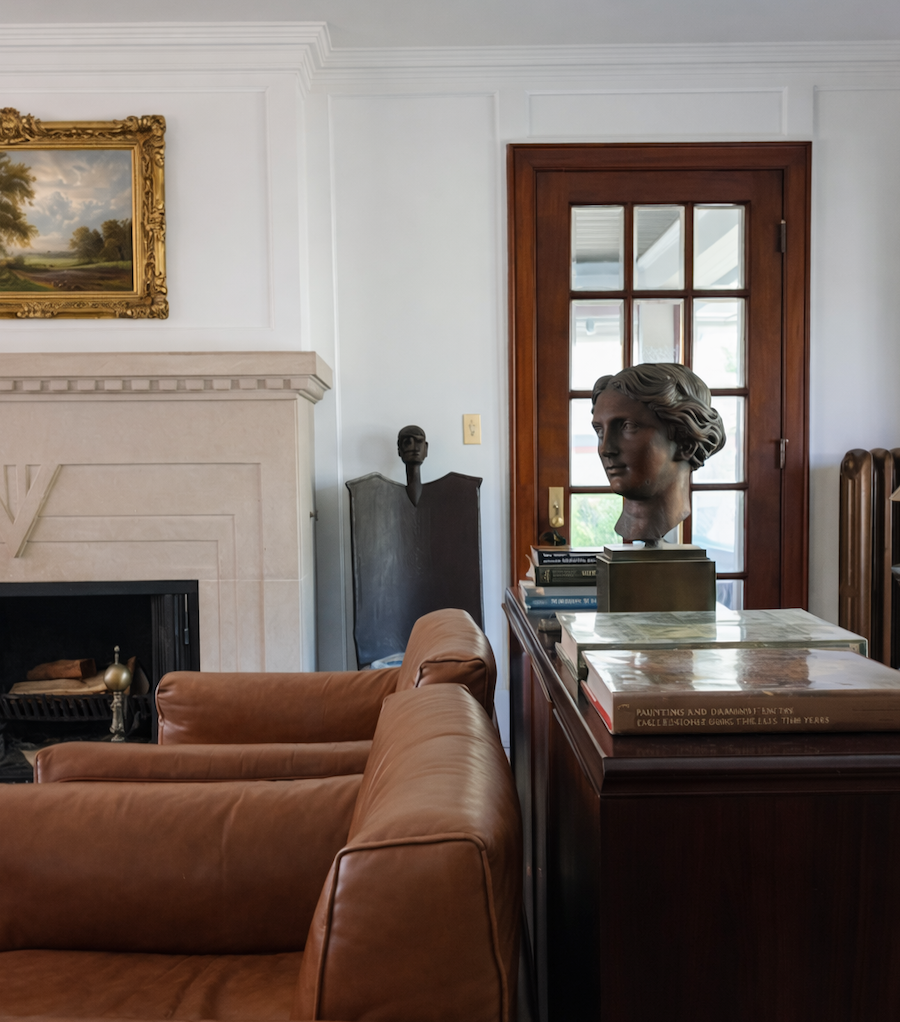
In 2024, the founder of Lewis Heritage Homes purchased the personal residence of Adna G. Lewis, (founder & president of Lewis Manufacturing) and began the painstaking process of restoring the home to it's original state - while adding contemporary finishes and conveniences suitable for modern living. Throughout the two year process, he recognized a lack of options in the region with respect to restoring, renovating, and designing for old homes. From this, he founded Lewis with the mission to preserve and design historic homes through classical architecture principles, combining old world charm with contemporary timelessness.